
Homework has always been a double-edged sword for students. On one hand, it reinforces what is learned in class; on the other, it often becomes a stressful, time-consuming burden. For decades, students have relied on textbooks, peers, tutors, and late-night cramming sessions. But in recent years, artificial intelligence (AI) has entered the scene and is quietly transforming how learners approach their assignments.
Instead of replacing effort, AI is making homework more personalized, efficient, and skill-building. Whether it’s through instant explanations, step-by-step problem solving, or smart study recommendations, AI is reshaping education in ways we couldn’t imagine just a decade ago.
As education researcher Sal Khan, founder of Khan Academy, noted, “AI won’t replace teachers, but teachers who use AI will replace those who don’t.” The same principle now applies to students those who learn how to use AI responsibly are already gaining a learning advantage.
In this blog, we’ll explore how AI is forever changing homework help, why it matters for students, and what the future of learning might look like. Along the way, we’ll discuss strategies like how to do homework faster, the logistics of how AI helps students succeed, and the bigger picture of artificial intelligence and the future of teaching and learning.
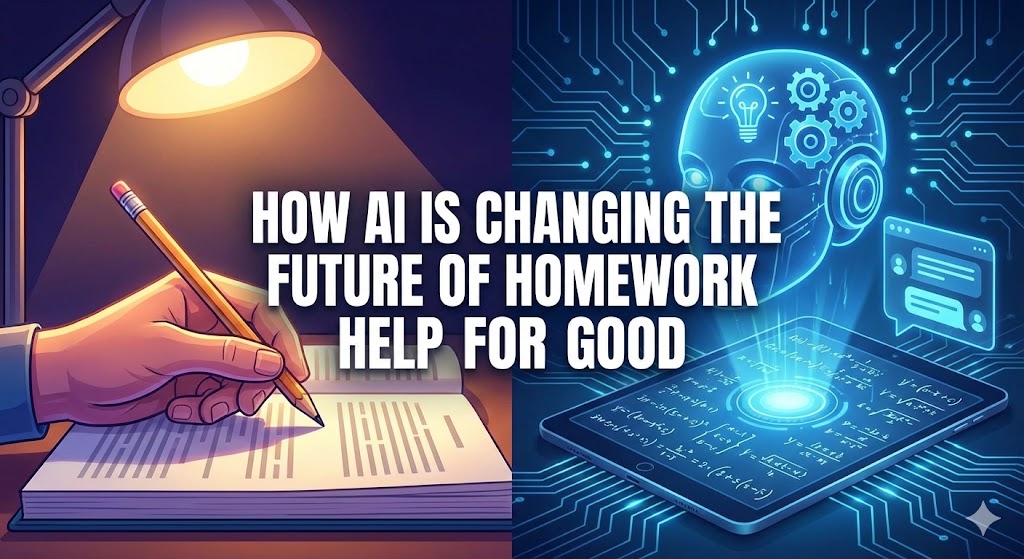
1. How AI is Changing the Future of Homework Help for Good
Homework used to be about repetition, solving 20 math problems to master one formula, or writing long essays with little guidance. AI has shifted this dynamic. Tools now provide instant feedback, flag errors, and even adapt to a student’s learning pace.
- Personalized Assistance: Instead of one-size-fits-all assignments, AI-driven systems adjust explanations depending on whether a student is a beginner or advanced.
- On-Demand Support: Students don’t have to wait for a teacher or tutor; AI tools are available 24/7.
- Skill Development: Contrary to the myth that AI “does the homework,” the best tools actually teach problem-solving skills by walking students through processes step by step.
Stanford University’s Graduate School of Education (2023) shows that AI-assisted learning improved student problem-solving accuracy by 32% compared to traditional methods. That’s because AI doesn’t just deliver answers—it helps students understand how those answers are reached.
This means students no longer feel stuck when they encounter a difficult question. With AI, homework becomes less about memorization and more about critical thinking and comprehension.
2. How to Do Homework Faster
One of the biggest frustrations for students is the amount of time homework takes. Hours that could be spent revising, relaxing, or pursuing hobbies often vanish into long assignments. Here’s where AI makes a remarkable difference.
a) Smart Time Management
AI study planners and scheduling tools break large tasks into manageable chunks. Instead of staring at a four-hour math worksheet, a student gets reminders like:
- “Solve the first five problems in 30 minutes.”
- “Take a 10-minute break.”
- “Review errors at the end.”
This rhythm keeps learners focused and productive. A University of Melbourne study found that students using AI-based time management tools completed assignments 40% faster on average.
This keeps learners productive without feeling overwhelmed.
b) Quick Explanations & Summaries
Instead of rereading entire chapters, AI systems can summarize notes, highlight key points, and generate outlines. For example, a student preparing a history essay can get a timeline of major events in seconds. This allows them to focus more on analysis and less on searching for information.
c) Step-by-Step Problem Solving
In subjects like math, physics, or chemistry, AI doesn’t just give answers it explains the process. Students can see why a step is taken, making it easier to apply the same logic in exams. This reduces the time wasted on trial and error.
d) Reducing Distractions
Some AI tools track a student’s focus and gently remind them to stay on task. Combined with productivity apps, this ensures homework is done faster and more efficiently.
3. Logistics for How AI Helps Students Succeed
Behind the buzz about AI in education lies a simple truth: success depends on more than just intelligence it requires the right logistics, planning, and support. Artificial intelligence steps in to simplify these logistics, giving students a structured path to learning.
a) Personalized Learning Paths
Every student learns differently. Some grasp math concepts quickly but struggle with writing; others excel in history but need extra time in science. AI tools analyze performance and create a customized study plan, ensuring time and effort are invested where they matter most.
b) Progress Tracking and Feedback
Traditionally, students had to wait days for homework to be graded. With AI, progress is tracked in real time. Errors are flagged instantly, and hints are provided so that mistakes become learning opportunities. This constant feedback loop helps students refine their skills quickly.
c) Resource Management
AI reduces the hassle of searching for the right study materials. From recommending practice quizzes to pulling up relevant videos or articles, AI ensures students don’t waste hours finding resources. This saves time and energy, letting them focus on actual learning.
d) Building Confidence and Independence
Success is not just about grades; it’s also about confidence. By guiding students step by step, AI eliminates the fear of “getting stuck.” Over time, learners become more independent, knowing they have reliable support when challenges arise.
4. Artificial Intelligence and the Future of Teaching and Learning
AI isn’t only reshaping homework, it’s transforming the very foundation of how classrooms operate and how students learn. While textbooks and traditional lectures still matter, education is moving toward a future where AI and human teachers work hand in hand.
a) Teachers as Mentors, Not Just Lecturers
With AI handling repetitive tasks like grading, practice quizzes, and feedback, teachers can spend more time mentoring, motivating, and inspiring students. This shift makes classrooms more interactive and personalized.
b) Adaptive Learning Systems
AI-driven platforms monitor how a student responds to questions and adjust lessons in real time. If someone struggles with algebra, the system slows down and provides extra practice. If they master it quickly, the system moves forward. This ensures no student is left behind.
c) Global Access to Education
AI-powered tools break down barriers of geography, cost, and time. Students in remote areas can now access the same level of tutoring and resources as those in big cities. Education is becoming more inclusive and accessible, regardless of location.
d) Preparing for Future Careers
The jobs of tomorrow will demand strong problem-solving, creativity, and digital skills. AI in education is already preparing students for this by teaching them how to think critically, adapt quickly, and use technology wisely.
e) Human + AI Collaboration
The future is not about AI replacing teachers; it’s about AI supporting teachers and empowering students. A blended model will likely dominate classrooms, where technology handles the logistics and human educators bring empathy, creativity, and real-world guidance.
5. Challenges of Using AI in Homework
While AI brings tremendous benefits, it also comes with challenges that must be acknowledged.
- Over-Reliance: Students might be tempted to let AI do the work, rather than learning.
- Accessibility Gaps: Not all students have access to devices or stable internet.
- Data Privacy: Parents and educators must ensure that student data is handled responsibly.
- Critical Thinking: AI must be used as a guide, not a crutch, so students continue developing independent thinking skills.
Awareness of these challenges ensures AI is used wisely as a tool for learning, not a replacement for effort. Educational ethicist Dr. Neil Selwyn warns, “We must teach students not just how to use AI, but when not to.” Using AI responsibly ensures it enhances learning rather than replacing it.
Ready To Solve Your Homework?
Get instant, accurate answers with our AI Homework Helper tool.
6. How Parents and Teachers Can Use AI Wisely
Parents and teachers play a key role in making AI an ally rather than a shortcut.
- Encourage Guided Use: Remind students to use AI for explanations, not just answers.
- Set Boundaries: Combine AI tools with traditional study methods to maintain balance.
- Promote Digital Literacy: Teach students how to critically evaluate AI outputs instead of accepting them blindly.
- Celebrate Effort: Use AI for support, but continue rewarding perseverance, creativity, and originality.
When guided properly, AI becomes a bridge between students’ struggles and their potential for growth.
Conclusion: A Smarter Path Forward
Artificial intelligence has already begun to change how students learn, study, and succeed. From helping with time management and offering instant explanations to creating personalized learning paths, AI is making homework less stressful and more meaningful. It’s not about doing the work for students; it’s about empowering them to understand concepts deeply, build confidence, and prepare for the future.
The shift is clear: education is moving away from repetitive memorization and toward critical thinking, adaptability, and creativity. Teachers will remain at the heart of the classroom, but with AI as a partner, they can focus on inspiring students rather than being tied down by routine tasks.
For learners who want reliable, student-friendly support, platforms like AIHomeworkHelper.org are becoming valuable companions. Instead of offering shortcuts, they guide students step by step, making sure homework is not just completed but truly understood.
As AI continues to evolve, one thing is certain: the future of homework help is not about stress and late-night struggles; it’s about smarter, faster, and more personalized learning. And for students everywhere, that’s a change worth embracing.
FAQs About AI and Homework Help
Q1. Does AI replace human tutors?
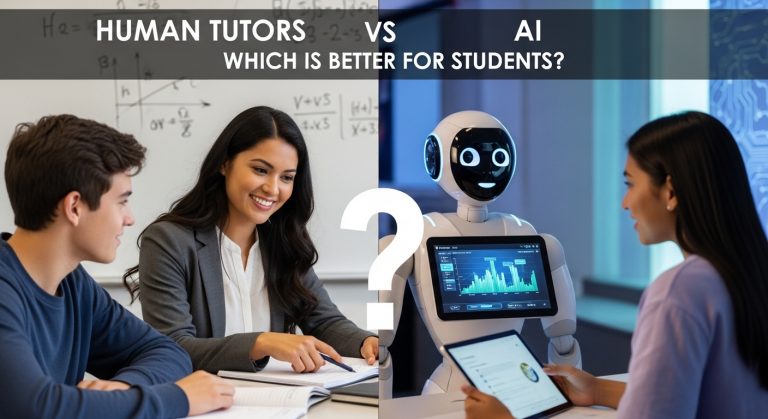
Not at all. AI complements tutors and teachers by offering instant help, but human mentorship and motivation remain irreplaceable.
Q2. Will using AI make students dependent?
Only if misused. The best AI platforms are designed to explain and guide, ensuring students understand rather than just copy.
Q3. Is AI affordable for all students?
Many AI tools are free or low-cost, making them more accessible than private tutoring. However, bridging digital divides remains important.
Q4. How safe is it to use AI for learning?
Reputable platforms maintain data privacy and provide safe learning environments. Parents should always check a tool’s policies before use.