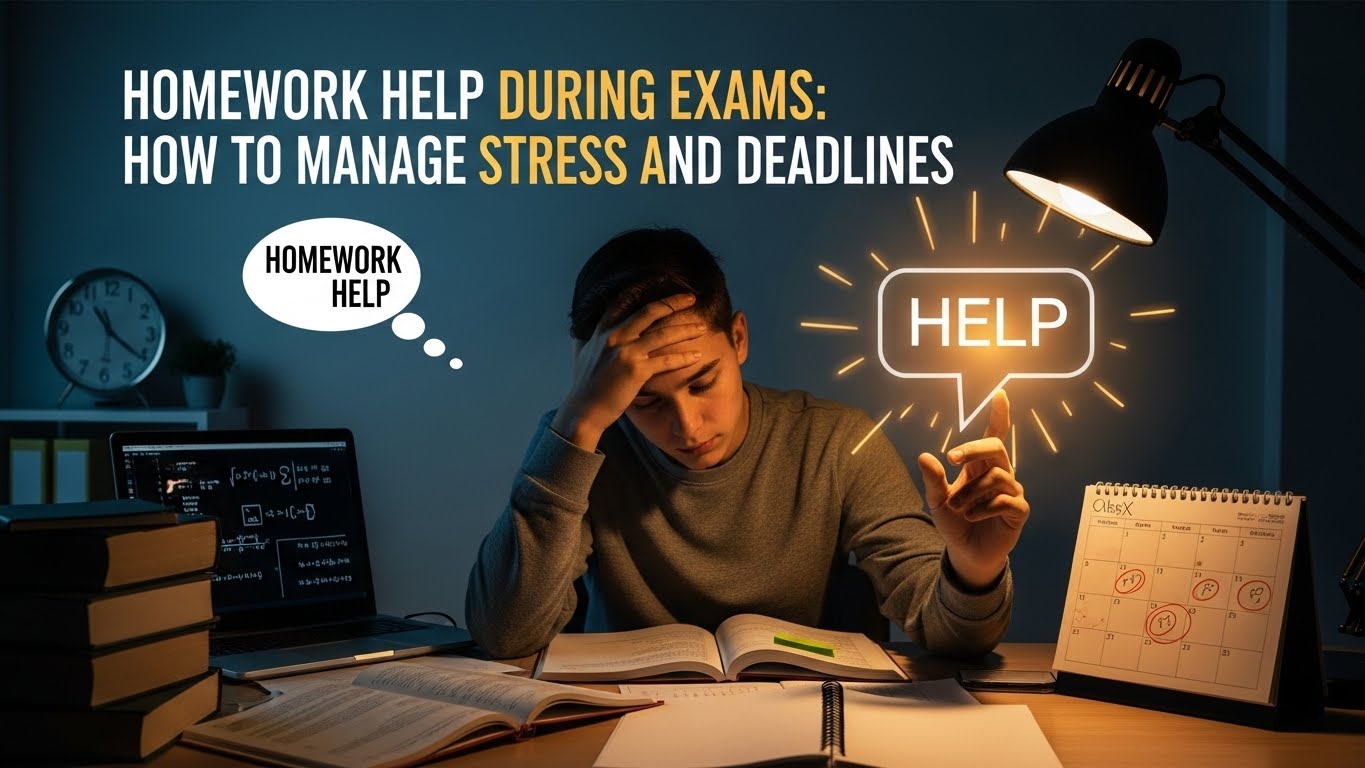

Exams are a period that most students dread. Assignments, endless revisions, and upcoming test papers create a mix that feels overwhelming.
It’s no surprise that exams are stressful and often trigger sleepless nights, headaches, and even anxiety attacks. But while the pressure is real, the way students handle it makes all the difference.
The good news? With the right balance of homework planning, study strategies, and emotional support, exam season doesn’t have to be a nightmare.
This article explores how to handle deadlines effectively, why understanding the link between stress and study is important, and practical intersection of homework help during exams, cognitive science, and emotional stability.
Why Exams Are Stressful for Students?
For students, exams concentrate months of work into a single evaluation period. They must revise multiple subjects, complete homework assignments, and manage tight deadlines all while trying to meet expectations.
The pressure of scoring well, securing future opportunities, or simply not disappointing others is heavy. This explains why exams are stressful across all age groups, from high school students to university learners.
According to a 2018 study by the American Psychological Association, nearly 45% of students reported feeling high levels of stress during exams, often linked to academic pressure and lack of sleep.
“It’s not stress that kills us; it is our reaction to it.” – Hans Selye, pioneer of stress research
However, identifying the cause of stress is the first step. Once students know what triggers their anxiety, whether it’s workload, lack of preparation, or comparison with peers, they can work on specific solutions.
The Connection Between Stress and Study
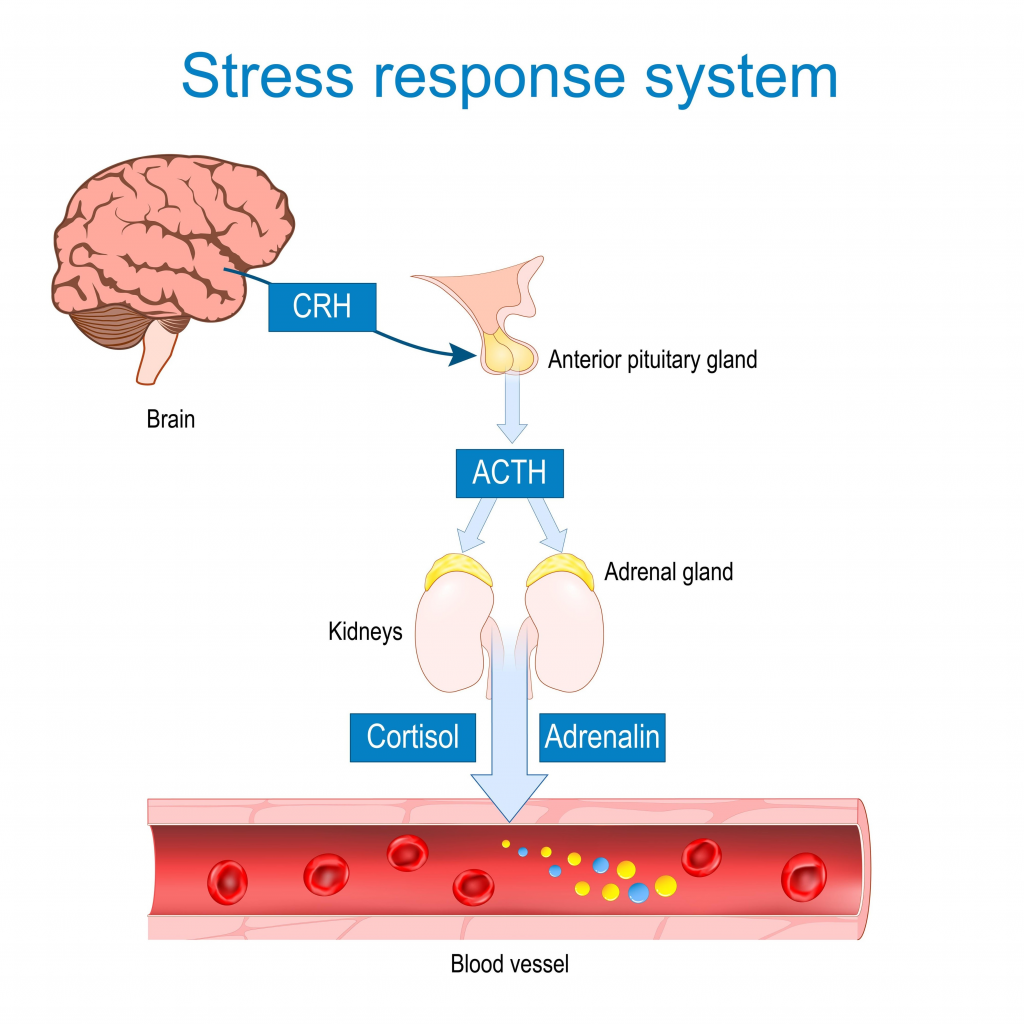
It’s important to understand how stress affects learning. A moderate level of stress can boost focus and motivation, but excessive levels damage memory and concentration.
For example, imagine two students preparing for the same test. One has been revising regularly, completing assignments on time, and taking breaks. The other has left everything for the last minute, skipping homework and relying on all-nighters. When exam day arrives, the first student feels nervous but confident, while the second is overwhelmed.
This simple example shows why the relationship between stress and study matters. Managing stress doesn’t just protect mental health; it directly impacts exam performance.
Research from Harvard Medical School (2021) found that moderate, short-term stress can improve alertness and performance, while chronic stress disrupts cognitive function and reduces problem-solving ability.
Homework Help During Exam Season
Homework during exams often feels like an unnecessary burden, but in reality, it reinforces what you study.
Well-planned assignments allow you to practice questions in a structured way. Instead of skipping homework, try integrating it into your revision plan.
Here are some strategies:
- Combine homework with revision: Treat each assignment as practice for actual exam questions.
- Use planners: Divide tasks into smaller goals with deadlines.
- Digital support: Platforms like aihomeworkhelper.org can provide step-by-step solutions, making homework a tool for learning rather than stress.
With the right approach, homework becomes less about deadlines and more about reinforcing knowledge.
Effective Stress Management Exam Techniques
A big part of succeeding in exams lies in adopting practical methods for reducing stress. Here are some effective techniques for stress management exam preparation:
- Time-blocking: Break your day into chunks for homework, revision, meals, and rest.
- Sleep discipline: Rest is crucial; 6–8 hours of quality sleep improves retention.
- Healthy lifestyle: Nutritious food and exercise maintain both energy and focus.
- Mindfulness routines: Meditation, yoga, or deep breathing reduce anxiety naturally.
By combining these methods, students maintain not just academic focus but also emotional stability.
How to Calm Yourself Before an Exam?
The period right before an exam is often the most nerve-wracking. Thoughts race, hands tremble, and students start doubting themselves. Knowing how to calm yourself before an exam is essential to perform well.
Quick tips include:
- Breathing exercises to lower heart rate.
- Visualization techniques imagine entering the hall confidently and writing smoothly.
- Positive affirmations that remind you of your preparation.
- Avoid panic talk with peers right before the exam.
These simple steps turn nervous energy into calm confidence.
How to Calm Exam Anxiety?
Anxiety can feel stronger than ordinary nervousness. Learning how to calm exam anxiety requires a long-term plan. Students who face panic attacks or blanking out during exams need consistent routines:
- Grounding techniques such as noticing sights, sounds, and sensations.
- Journaling thoughts to clear mental clutter.
- Breaking the study into smaller portions to avoid overload.
- Talking to mentors or friends instead of bottling up emotions.
Over time, these practices reduce the intensity of anxiety and make exam preparation manageable.
Practical Exam Anxiety Strategies
Here are some actionable exam anxiety strategies every student can try:
- Simulate exam conditions: Practice past papers under strict timing.
- Reward progress: Celebrate small wins like completing a chapter.
- Stay active: Physical movement reduces stress hormones.
- Focus inward, not outward: Don’t compare your preparation with classmates.
- Seek professional support: For severe anxiety, counseling can be helpful.
As neuroscientist Andrew Huberman explains, controlled breathing can immediately reduce cortisol (the stress hormone), helping the brain regain focus and calm.
These strategies build resilience and confidence, ensuring that exam stress doesn’t spiral out of control.
Role of Technology in Exam Preparation
Technology now plays a huge role in helping students prepare effectively. Digital tools like online flashcards, study apps, and AI-based tutors make studying smarter, not harder.
AI Homework Helper helps students save time, manage homework, and clarify difficult topics. Instead of providing shortcuts, these platforms act like a study partner, guiding students step by step.
The result? Less confusion, fewer sleepless nights, and more confidence in exams.
Final Thoughts
Exams are undeniably stressful, but with the right strategies, students can transform pressure into productivity. Homework, when used wisely, becomes a revision tool rather than a burden. Stress, when managed properly, motivates instead of overwhelming.
By practicing stress management, staying consistent with assignments, and using modern tools for support, students can face exams with a clear mind and stronger confidence. The key is preparation, not panic.
Q1: Why are exams so stressful?
Exams bring pressure to perform within a limited time, which often makes students feel overwhelmed. Lack of preparation, fear of failure, and multiple deadlines add to the stress.
Q2: What are some effective stress management exam techniques?
Simple strategies like creating a realistic study plan, taking regular breaks, using past papers, and practicing mindfulness can help reduce exam-related pressure.
Q3: How to calm yourself before an exam?
Before walking into the exam hall, try deep breathing, quick revision of key points, and positive self-talk. These practices help in staying focused and confident.
Q4: How to calm exam anxiety naturally?
If you’re wondering how to calm exam anxiety, focus on healthy routines like regular sleep, hydration, and short relaxation exercises. Avoid last-minute cramming and trust the work you’ve already done.
Q5: Can homework help reduce exam stress?
Yes, completing homework consistently keeps you prepared and avoids piling work before exams. It makes revision smoother and reduces panic near deadlines.